
Tubesheet Integrity & Diagnostics
Comprehensive non-destructive testing and structural thickness diagnostics for critical joint interfaces. Boiler Techniques utilizes high-precision eddy current arrays and dye penetrant testing to catch micro-fractures, stress cracking, and weld ligament degradation early. Our integrity mapping insulates pressure vessels from sudden catastrophic pressure drops or boundary failures under deep load configurations.
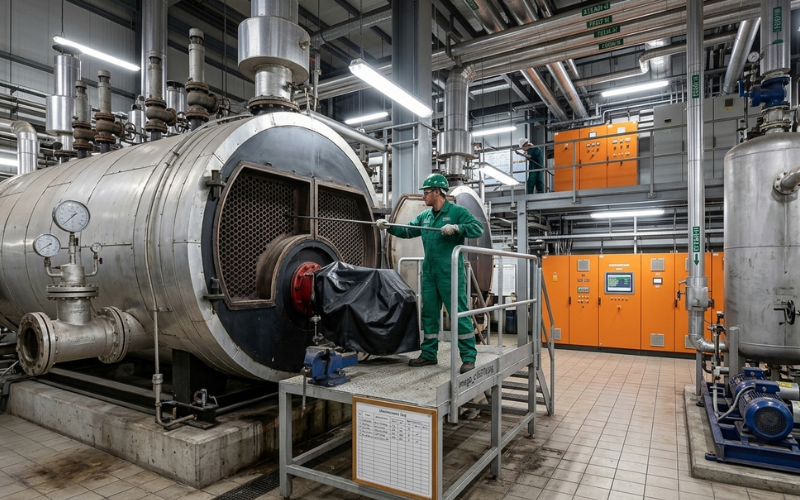
The tubesheet serves as the critical barrier keeping high-pressure shell environments isolated from processing tube circuits. Constant thermal cycling creates severe stress loads concentrated right along weld ligaments and tube expansions. Our advanced inspection methods track wall thickness changes down to fractions of a millimeter, allowing plant teams to spot localized corrosion patterns and plan targeted re-tubing before leaks force emergency shutdowns.
Micro-cracking along our main firetube tubesheet ligaments was threatening our annual operating license. Their engineering team conducted precision dye penetrant evaluations and re-rolling that completely secured our pressure boundaries.
Faisal Mahmood Operations Plant Manager
Diagnostic Protections
Early identification of structural fatigue protects against major utility failures and keeps equipment aligned with international safety codes.
- Precision thickness testing maps long-term erosion trends.
- Dye-penetrant checks isolate hairline weld cracks before leaks start.
- Tube-to-tubesheet joint rolling fixes loose mechanical connections.